Amersham Old Town funeral flowers council rules explained
Posted on 12/10/2026
If you are organising funeral flowers in Amersham Old Town, the last thing you want is confusion at a difficult time. You may be trying to choose a wreath, a spray, or a simple posy, while also wondering whether the council has rules about where flowers can be placed, how long they can stay, and what happens if they are left in the wrong spot. That is exactly what this guide to Amersham Old Town funeral flowers council rules explained aims to clear up.
Truth be told, most people do not need a legal lecture. They need calm, practical guidance. So below, we will look at how local rules usually work, what the council is trying to achieve, and how to avoid small mistakes that can become stressful on the day. We will also cover common funeral flower choices, sensible etiquette, and the best way to keep everything respectful and straightforward.
One note before we start: exact arrangements can change depending on the venue, the cemetery, the church, the crematorium, or the local authority area involved. So this is a practical explanation, not a substitute for checking the specific location. Still, a clear overview helps a lot. A lot more than you might think.
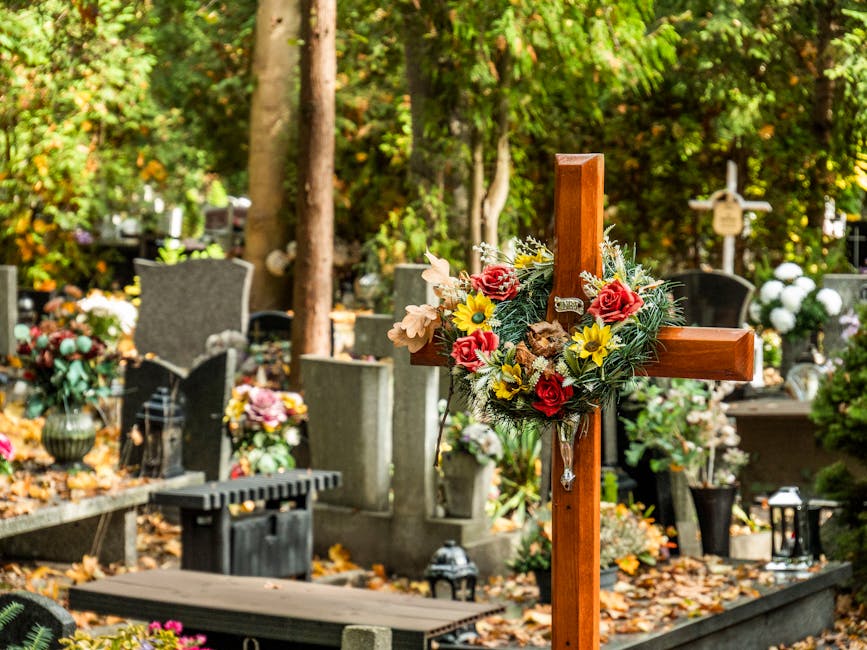
Why Amersham Old Town funeral flowers council rules explained Matters
Funeral flowers are not just decorative. They carry messages of love, grief, remembrance, faith, and respect. In a place like Amersham Old Town, where services may involve churches, burial grounds, crematorium arrangements, or memorial spaces, the practical rules around floral tributes matter because they affect how smoothly the day runs.
The main reason people get caught out is simple: they assume flowers can be placed anywhere, at any time, and left for as long as needed. Sometimes that is true. Often it is not. A local authority, cemetery manager, churchwarden, or venue operator may have expectations about tribute placement, size, materials, access routes, or removal time. If you ignore those details, even unintentionally, flowers may be moved, restricted, or removed. Not ideal when emotions are already running high.
There is also a dignity issue. Funeral flowers should support the service, not create clutter, block pathways, or interfere with maintenance. The council or venue is usually balancing respect for mourners with safety, accessibility, and upkeep. That sounds plain enough, but in the real world it can mean practical limits on where wreaths sit, whether loose stems are acceptable, or whether memorial flowers can remain after the service.
For families in a hurry, this advice is especially useful because arrangements often happen fast. Maybe you are ordering after work, maybe you are helping a parent, or maybe you have been asked at short notice to organise something simple by tomorrow morning. In those moments, a clear understanding of the local rules saves time and reduces stress.
Helpful takeaway: the best funeral flower choice is not only the most beautiful one. It is the one that fits the venue's expectations, the family's wishes, and the local setting without creating a problem later.
How Amersham Old Town funeral flowers council rules explained Works
Most people imagine "council rules" as a single fixed list, but funeral flower arrangements are usually governed by a mix of local practices. The exact setup can involve the local council, the cemetery or crematorium manager, the church or chapel, the funeral director, and sometimes the florist. Each one may have a slightly different role.
In practical terms, here is how it tends to work:
- Before the service: the family decides what floral tributes are wanted and where they should be delivered.
- At the venue: the funeral director or venue staff may guide placement, especially where access or safety matters.
- During the service: flowers are often positioned near the coffin, altar, graveside, or memorial area depending on the setting.
- After the service: some flowers are taken home, some remain temporarily, and some are removed according to venue or council practice.
That process sounds tidy on paper. In reality, the timing can be tight. If a wreath arrives too late, or if a large tribute is not suitable for the chosen space, the whole arrangement can become awkward. That is why practical communication matters so much.
One thing to understand is that funeral flowers are usually treated differently from general display flowers. A bouquet for a birthday can be flexible. Funeral tributes, by contrast, are often tied to the service schedule, the size of the venue, and any local rules about memorial areas. A simple sympathy spray may be fine in one location, while a heart-shaped tribute or large lettering tribute may need advance approval or clearer positioning guidance.
If you are ordering online, the product description can help, but it will not replace local knowledge. For example, a tribute from funeral flowers or sympathy flowers may be perfectly suited to the occasion, yet the final choice should still suit the venue and the family's preferences.
And yes, it can feel a bit fiddly. But once you understand the moving parts, it becomes much easier to plan confidently.
Key Benefits and Practical Advantages
Understanding funeral flower rules is not about being overly cautious for the sake of it. It gives you real advantages, especially when emotions are high and decisions need to be made quickly.
1. Less last-minute stress
When you know what is allowed, you are less likely to be scrambling for a replacement tribute or calling around on the morning of the service.
2. Better respect for the venue
Flowers placed thoughtfully feel considered. They do not obstruct pathways, seating, or maintenance access. That matters at gravesides and around memorial areas.
3. Easier coordination with the funeral director
A clear plan means the florist, family, and funeral director can work together without confusion. Simple things, but they make a difference.
4. More suitable flower choices
Some arrangements are better for outdoor use, some are best for indoor services, and some are designed for longer display. Knowing the setting helps you choose well.
5. Fewer disappointments
Nothing is worse than finding out that a tribute cannot be displayed as intended. A little checking upfront avoids that awkward moment.
6. Better value
Choosing the right size and style for the venue can stop you overspending on something that will not be used fully. Let's face it, nobody wants to pay for a tribute that ends up tucked away or moved aside.
If you are comparing options, it can help to look at a florist's funeral-specific range rather than a general mixed collection. The designs are usually more suitable for the tone of the occasion, and the wording on the product pages is often clearer. A good starting point is a dedicated local page such as funeral flowers in Amersham HP6.
Who This Is For and When It Makes Sense
This guidance is useful for a few different people, and not just the person arranging the service.
- Immediate family who need to choose floral tributes quickly and sensitively.
- Friends or colleagues organising a group arrangement or sending condolences.
- Funeral directors who need to coordinate delivery and placement with families and venues.
- Florists supplying tribute styles that suit local expectations and timing.
- Anyone sending flowers from a distance who wants to avoid timing or placement problems.
It also makes sense if you are deciding between different tribute types. For instance, should you choose a wreath, a spray, a heart, a cushion, or a simpler basket arrangement? The answer often depends on the venue rules, the tone of the service, and how long the flowers need to remain in place. A wreath may work beautifully at a graveside. A more compact arrangement might suit a chapel service better. No mystery there, really, just matching the tribute to the setting.
In some situations, people are not sure whether they should send flowers at all. That is understandable. If the family has requested donations instead, or if the service is very simple, a tasteful sympathy card or a smaller tribute may be more appropriate. A florist can usually help you steer through that decision without overcomplicating things.
Step-by-Step Guidance
If you want to keep things simple and respectful, use this practical process.
- Confirm the venue
Find out whether the service is at a church, crematorium, cemetery, private chapel, or another memorial location. This matters because each setting may handle flowers differently. - Ask about any local placement rules
Check whether flowers can go on the coffin, by the entrance, near the memorial area, or only in specific sections. If there is any doubt, ask. It takes a minute and saves hassle later. - Choose the right tribute style
Pick something appropriate for the service size and tone. Common choices include wreaths, sprays, posies, baskets, cushions, and letter tributes. For some families, a simple white arrangement feels just right. For others, a more personal tribute is better. - Check delivery timing
Flowers should arrive in the right window, not too early and not after the service begins. If traffic, school runs, or a rushed morning could affect timing, build in a margin. That old British habit of leaving just enough time can backfire here. - Add clear card wording
Keep messages short, respectful, and legible. If the tribute is for a service where many flowers will be present, the card should identify the sender clearly. - Confirm who is responsible after the service
Ask whether flowers will be taken home, laid at the grave, left at the memorial, or cleared away. This is one of those things people forget until the day itself. - Let the florist know any special requests
If there is a favourite colour, faith symbol, or tribute shape, mention it early. The more specific you are, the better the result tends to be.
Here is the short version: choose, check, confirm, deliver. Simple, but effective.
Expert Tips for Better Results
From a practical florist's point of view, the details that matter most are often the quiet ones.
Keep tribute size in proportion
A huge arrangement can dominate a small service space, especially indoors. In a compact chapel or smaller memorial area, a medium wreath or refined spray often looks more elegant and is easier to place.
Think about weather if flowers are outdoors
Outdoor tributes can be affected by wind, bright sun, or a sudden cold snap. In the morning, roses or lilies may look perfect; by mid-afternoon, an exposed display can feel a bit tired. If the service is outdoors, choose sturdier stems and ask for sensible conditioning.
Use colours with intention
White is often chosen for peace and simplicity. Deep reds may feel traditional and heartfelt. Mixed colours can celebrate a full life more vividly. There is no single right answer, but colour should feel deliberate, not random.
Consider scent carefully
Some flowers carry a stronger fragrance than others. That can be lovely, but in a small room or enclosed space, heavy scent can be distracting. A softer fragrance is often a safer choice indoors.
Think about the family first
One relative may love bold flowers while another prefers understated arrangements. If you are unsure, choose something classic and balanced. It is rarely the wrong move.
Ask for florist guidance on tribute type
Some pieces, such as letter tributes or specialty shapes, need more lead time and a clearer brief. A florist can tell you what is realistic without fuss.
Use a local delivery option where possible
Local knowledge helps. A florist familiar with Amersham Old Town, HP6, and the surrounding routes is often better placed to deliver on time and understand the kind of setting involved. If speed matters, a same-day option like same-day flower delivery in Amersham HP6 can be useful, provided the order is placed in time.
Small detail, big difference. That is often the story with funeral flowers.
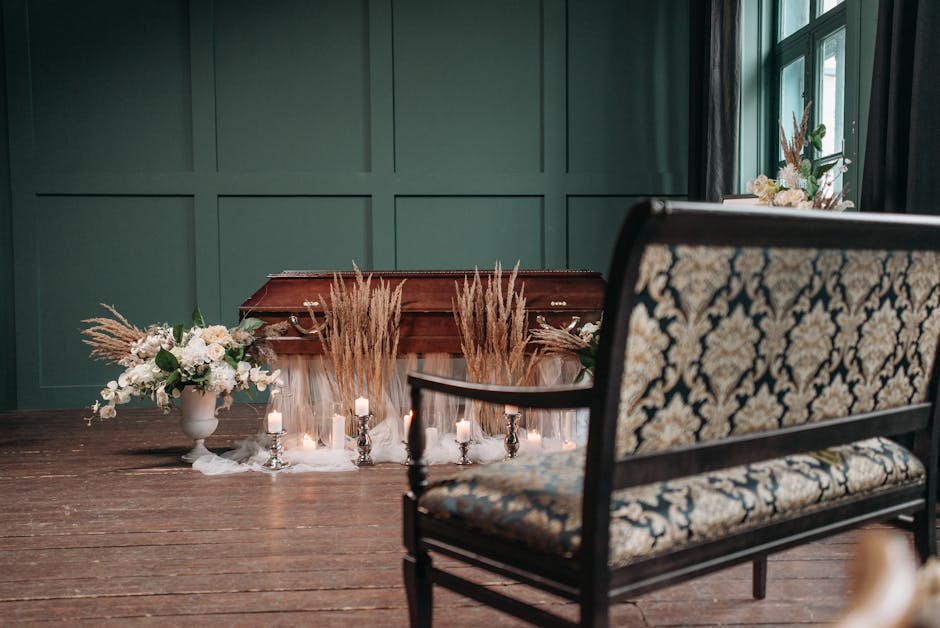
Common Mistakes to Avoid
Most mistakes are not dramatic. They are just the sort of small oversights that become inconvenient very quickly.
- Leaving delivery too late - Funeral flowers are time-sensitive. A late arrival can leave the tribute out of the service completely.
- Choosing a style that does not suit the venue - Large tributes may be beautiful, but not every location can accommodate them comfortably.
- Assuming all flowers can stay in place indefinitely - Some venues have clear removal times or maintenance routines.
- Forgetting about access - If pathways are narrow or the area is busy, placement needs to be practical as well as respectful.
- Ignoring family preferences - If the family has asked for something specific, try not to override it with your own idea, however well meant.
- Using unclear card wording - A card with no sender, or with a message that is too long, can be awkward.
- Ordering a tribute without checking the delivery area - A florist may deliver locally, but the exact venue and timing still matter.
A very human mistake is to focus only on the flowers themselves and forget the logistics. We all do it. But the venue and timing are half the job, maybe more.
Quick warning: if you are ordering a tribute for the same day or next morning, check cut-off times carefully and build in a cushion of time. Last-minute rushing sounds manageable until traffic, parking, or a venue change gets involved.
Tools, Resources and Recommendations
You do not need complicated tools to manage funeral flower arrangements, but a few simple resources make life easier.
- A written service timeline so everyone knows when delivery should happen.
- A contact name and number for the funeral director or venue coordinator.
- A short note of any venue instructions about access, placement, or collection after the service.
- A florist product page for tribute styles so you can compare wreaths, sprays, cushions, and baskets in one place.
- A backup plan for messaging in case the card text needs to be amended quickly.
If you are still deciding on style, it helps to browse a specialist funeral range and compare the shapes and tones. For example, wreaths and sprays often feel more traditional, while basket arrangements and posies can feel gentler and less formal. Many families also choose a sympathy arrangement that can be taken home after the service, which is practical and comforting.
For broader help beyond the funeral-specific range, you may find pages like flower care and delivery useful, especially if the flowers are being sent to a home first or need a little extra handling after arrival.
If you want to explore other nearby gift options for other occasions too, a local florist page such as florist Amersham HP6 can help you see the wider service range. Not every family needs that, of course, but it is there if you want the bigger picture.
Law, Compliance, Standards, or Best Practice
It is sensible to be careful here. Funeral flower handling can involve venue policies, local cemetery or crematorium rules, access requirements, and general standards of respect. In some cases there may also be faith-based customs or family preferences that matter as much as any council guidance.
Rather than relying on assumptions, the best practice is to confirm the details with the relevant venue or funeral director. That is especially important if flowers are being left at a graveside, placed at a memorial, or installed in a public space. Councils and site managers are usually focused on a few practical priorities:
- Safety - tributes should not block paths or create trip hazards.
- Accessibility - mourners, staff, and visitors should be able to move safely around the area.
- Maintenance - flower placement should not interfere with grounds care or cleaning.
- Respect - arrangements should be treated appropriately and removed in line with site practice.
There is also a wider ethical standard at play. Funeral flowers should never feel like an afterthought, but they should also not create a problem for staff managing the site. A good florist understands that balance. A good family brief does too.
If you are sending flowers from a company, office, or group, it can help to follow a simple internal approval process so the wording, budget, and tribute type are agreed before ordering. You can see how a florist handles organised arrangements by looking at services such as corporate accounts, which can be useful if a workplace is contributing to condolences.
For those who want reassurance about service quality, pages such as guarantees, returns and refund, and terms and conditions can be helpful background. Not because funeral flowers are treated casually - quite the opposite - but because clear policies are part of a trustworthy service.
Options, Methods, or Comparison Table
Choosing the right funeral flower style is easier when you compare the options side by side. The table below gives a practical overview.
| Flower style | Best for | Practical advantage | Possible limitation |
|---|---|---|---|
| Wreath | Traditional tributes, memorial display, graveside use | Classic, recognisable, easy to position | Can be less personal unless customised |
| Spray | Coffin tributes, chapel or crematorium services | Elegant and often versatile | May need more space than a smaller posy |
| Posy or basket | Smaller services or home delivery after the funeral | Compact and easy to move | May feel less formal for some families |
| Letter tribute | Personalised family names or initials | Strong visual message and very personal | Needs more preparation time and space |
| Heart or cushion tribute | Emotional, intimate memorials | Expresses love clearly and respectfully | Can be more specific to the style of service |
There is no universal best choice. The right tribute depends on the person being remembered, the setting, and the family's wishes. If in doubt, a florist can usually recommend a balanced option rather than something overdone. Simple often wins. Quietly beautiful, if that makes sense.
Case Study or Real-World Example
Imagine a family arranging a funeral in Amersham Old Town for a loved one who preferred understated things. They want white flowers, nothing too large, and they are not sure whether the venue will allow tributes to remain after the service.
Instead of ordering a big arrangement straight away, they do three sensible things. First, they confirm the service location and ask whether there are any placement limits. Second, they choose a modest white spray and a small wreath rather than a large letter tribute. Third, they leave clear instructions for delivery before the service begins, with a note for the florist about the tone they want: calm, elegant, and not overly formal.
The result is straightforward. The flowers arrive on time, the venue has no issue with placement, and the family can focus on the service itself rather than dealing with logistics. It is not dramatic. It just works. And honestly, in this setting, that is exactly what you want.
A similar approach helps if friends or colleagues are arranging a shared tribute. A manageable arrangement such as a compassionate wreath or a more compact sympathy piece can be a thoughtful middle ground when several people want to contribute without overcomplicating things.
Practical Checklist
Use this before you place the order.
- Have I confirmed the exact venue and service time?
- Do I know whether there are any placement or removal rules?
- Have I chosen a tribute style that suits the space?
- Is the colour choice appropriate for the person and the service?
- Have I checked delivery timing and any cut-off time?
- Is the card message short, respectful, and clear?
- Have I told the florist about any faith, family, or personal preferences?
- Do I know what will happen to the flowers after the service?
- Have I checked whether I need a smaller or more flexible arrangement?
- Is there a backup contact in case plans change on the day?
If you can tick those off, you are in a very good place. Not perfect perhaps, but good enough to feel calm about it. That matters more than people often realise.
Conclusion
Amersham Old Town funeral flowers council rules explained in plain English comes down to this: respect the setting, confirm the details, and choose a tribute that suits the occasion. Most issues are avoidable when you check the venue, understand the timing, and keep the arrangement in step with the service.
There is no need to overcomplicate things. The best funeral flowers are usually the ones that feel thoughtful, appropriate, and easy for everyone involved. If you take a few minutes to confirm the practical side, you give yourself space to focus on what really matters - remembering someone properly, with care.
Get a free quote today and see how much you can save.
And if you are feeling unsure, that is completely normal. A careful choice, made calmly, is more than enough.

Frequently Asked Questions
Are there specific council rules for funeral flowers in Amersham Old Town?
There may be venue-specific rules or site guidance on where flowers can be placed, how long they can remain, and whether larger tributes are suitable. The safest approach is to check the exact location before ordering.
Can funeral flowers be left at a graveside after the service?
Sometimes yes, but this depends on the cemetery or burial ground's practices. Some sites allow flowers to remain for a period, while others prefer them to be removed or managed in a particular way.
What kind of funeral flowers are most appropriate?
Wreaths, sprays, posies, baskets, cushions, and heart tributes are all common. The best choice depends on the person, the family's wishes, and the venue. Simpler arrangements often work well in smaller spaces.
Do I need to ask permission before sending flowers to a funeral?
Usually you do not need formal permission to send flowers, but it is wise to check with the funeral director or family if there are any specific requests, such as donations instead of flowers.
How early should funeral flowers be ordered?
As early as possible is best, especially for personalised tributes. If you need a same-day or next-day option, confirm the florist's cut-off time and delivery window first.
Can I send funeral flowers if I cannot attend the service?
Yes, and this is very common. A carefully chosen tribute with a short message can be a respectful way to show support when you cannot be there in person.
Are white flowers always the right choice for a funeral?
Not always, although they are a very traditional option. White often suggests peace and simplicity, but some families prefer softer pastels, deeper colours, or mixed arrangements that reflect the person's character.
What should I write on a funeral flower card?
Keep it brief and sincere. A short message like "With love and deepest sympathy" or "Thinking of you at this difficult time" is usually enough. If space is tight, your name may be the most important detail.
Can funeral flowers be delivered the same day in Amersham HP6?
Sometimes yes, depending on the florist's order cut-off and route availability. If the timing is urgent, check same-day delivery options before placing the order.
What happens if the flowers arrive after the service starts?
That can be awkward and may mean the tribute misses its intended placement. If there is any risk of delay, order earlier or choose a delivery slot with a safer buffer.
Is it better to choose a wreath or a spray?
Neither is universally better. Wreaths are classic and symbolic, while sprays are often more flexible for coffin or service display. The right choice depends on the venue and the tone of the tribute.
How do I know if a tribute is too large for the venue?
If the service space is small, or if the tribute needs to sit near seating, entrances, or a narrow graveside area, choose a smaller design. When in doubt, ask the florist or funeral director for guidance before ordering.